
Leading community-based research, program innovation, and policy advocacy to strengthen communities and drive systemic change.
Centre for Immigrant Research
TIES Centre for Immigrant Research (TCIR) is a community-based research entity at The Immigrant Education Society (TIES). TCIR advances evidence-informed research, community innovation, and policy engagement to strengthen inclusive, resilient, and equitable communities. While grounded in immigration and settlement experiences, the Centre’s work extends beyond newcomer integration to broader social, economic, and community development challenges affecting diverse populations and systems.
Rooted in community-based and citizen science approaches, TCIR places community voices, lived experiences, and practitioner knowledge at the centre of research and action. The Centre works collaboratively with communities, practitioners, service providers, government and municipal partners, academic institutions, and policymakers to co-create knowledge that is directly connected to real-world experiences and drives meaningful systemic and social change. Our projects are guided by principles of meaningful participation, co-learning, reciprocity, capacity building, empowerment, and sustainable community impact.
Community-based Research
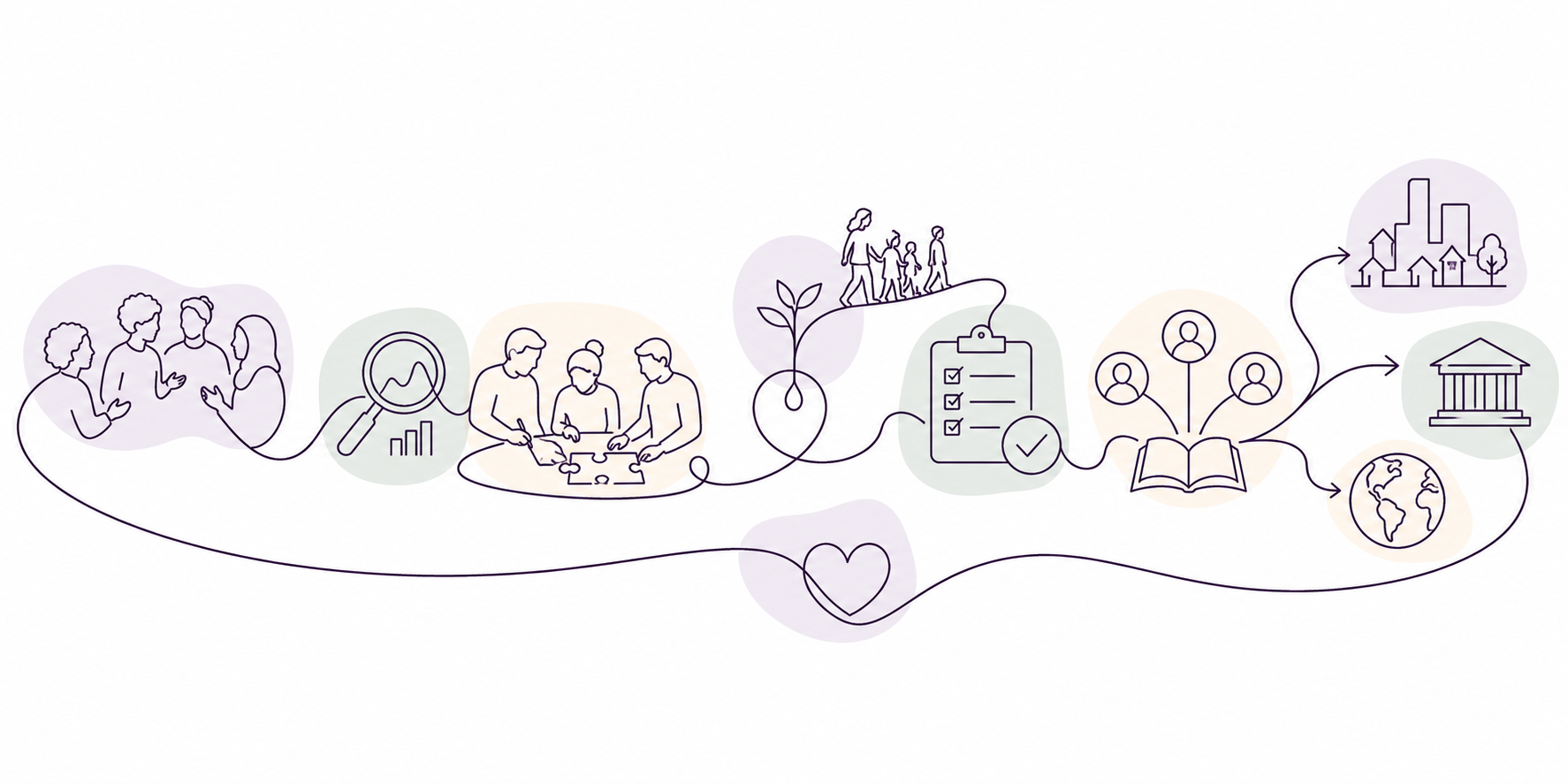
TCIR employs participatory, interdisciplinary, and community-based research methodologies to examine complex social issues, identify systemic barriers, and generate practical, evidence-based solutions. By bridging academic research with community realities and practitioner expertise, TCIR produces knowledge that is accessible, action-oriented, and grounded in lived experience. Our research emphasizes collaboration, innovation, and knowledge mobilization to support inclusive systems, strengthen community resilience, and inform sustainable social change.

Program Development
TCIR designs, pilots, and evaluates innovative community-based interventions that address systemic and emerging community challenges. Grounded in research, lived experiences, and practitioner knowledge, the Centre transforms evidence into scalable, inclusive, and impact-driven solutions that strengthen communities, inform practice, and advance sustainable social change.
Beyond implementation, TCIR is committed to knowledge mobilization and sector-wide learning. Successful models and promising practices are shared through research dissemination, partnerships, training, and policy engagement to strengthen sector capacity, support evidence-informed practice, and contribute to sustainable systems change at local, national, and international levels.
Policy
TCIR is committed to advancing evidence-informed policy development and advocacy rooted in community realities and lived experiences. The Centre critically examines the impacts, gaps, and unintended consequences of existing policies and systems affecting immigrants, marginalized communities, and service ecosystems. Through research, collaboration, and public engagement, TCIR works to inform policy recommendations, strengthen institutional practices, and advocate for more equitable, inclusive, and community-responsive policies at local, provincial, and federal levels.

Our Team
.jpg)
Katerina leverages program management expertise to champion social good. Passionate about equity, climate action, and sustainability, she leads initiatives at The Immigrant Education Society and seeks impactful opportunities to make a positive global difference.


Kreisha, an immigrant shaped by her experiences, is a leader dedicated to rooting herself in her new country and championing social justice. Committed to her advocacy, she empowers communities and uplifts individuals through research and innovative program development.
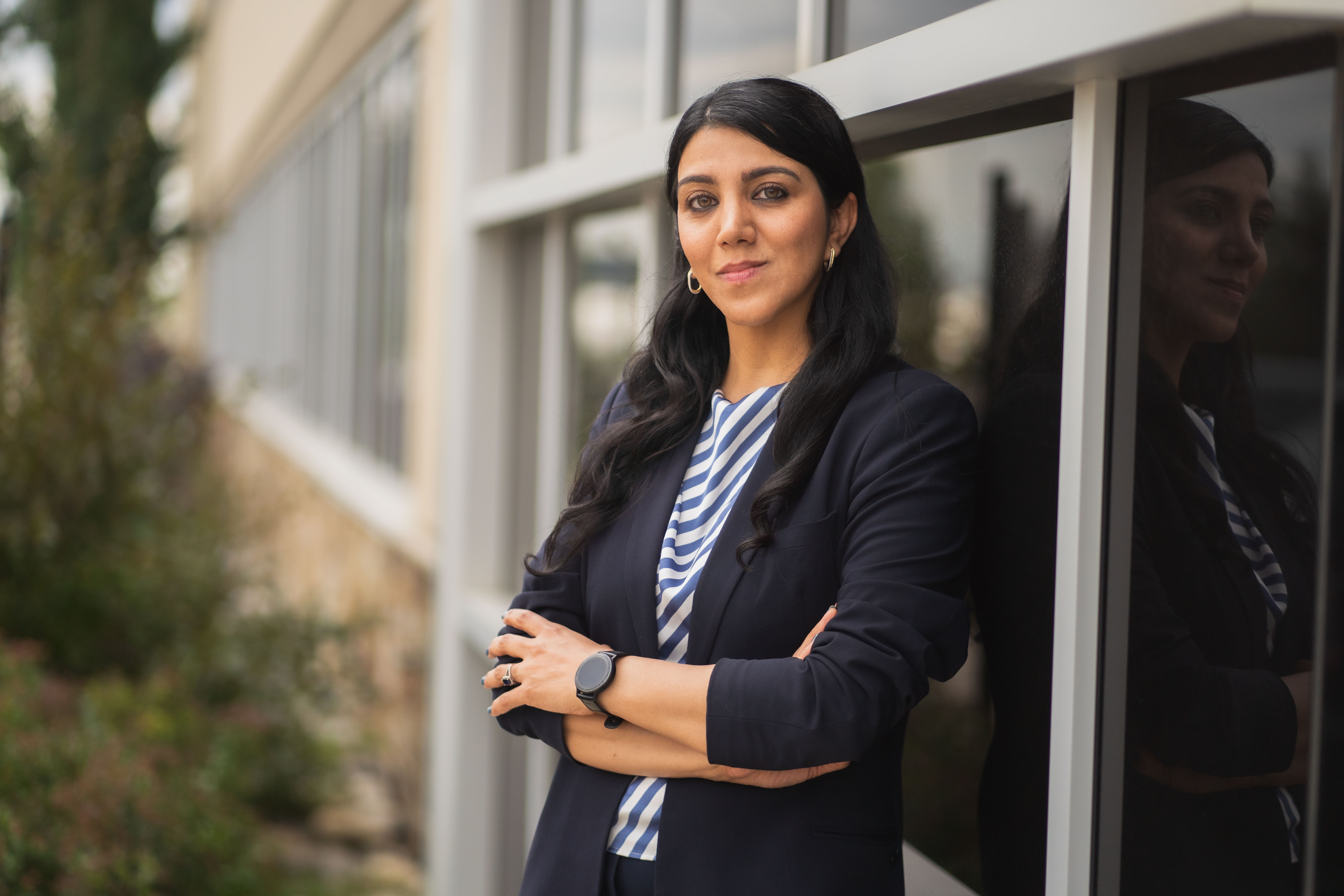
Fatemeh is an expert in research methodology and data analysis at The Immigrant Education Society. She implements data-driven strategies to support evidence-based decision-making, enhancing the quality of life for immigrant communities through community-based research.
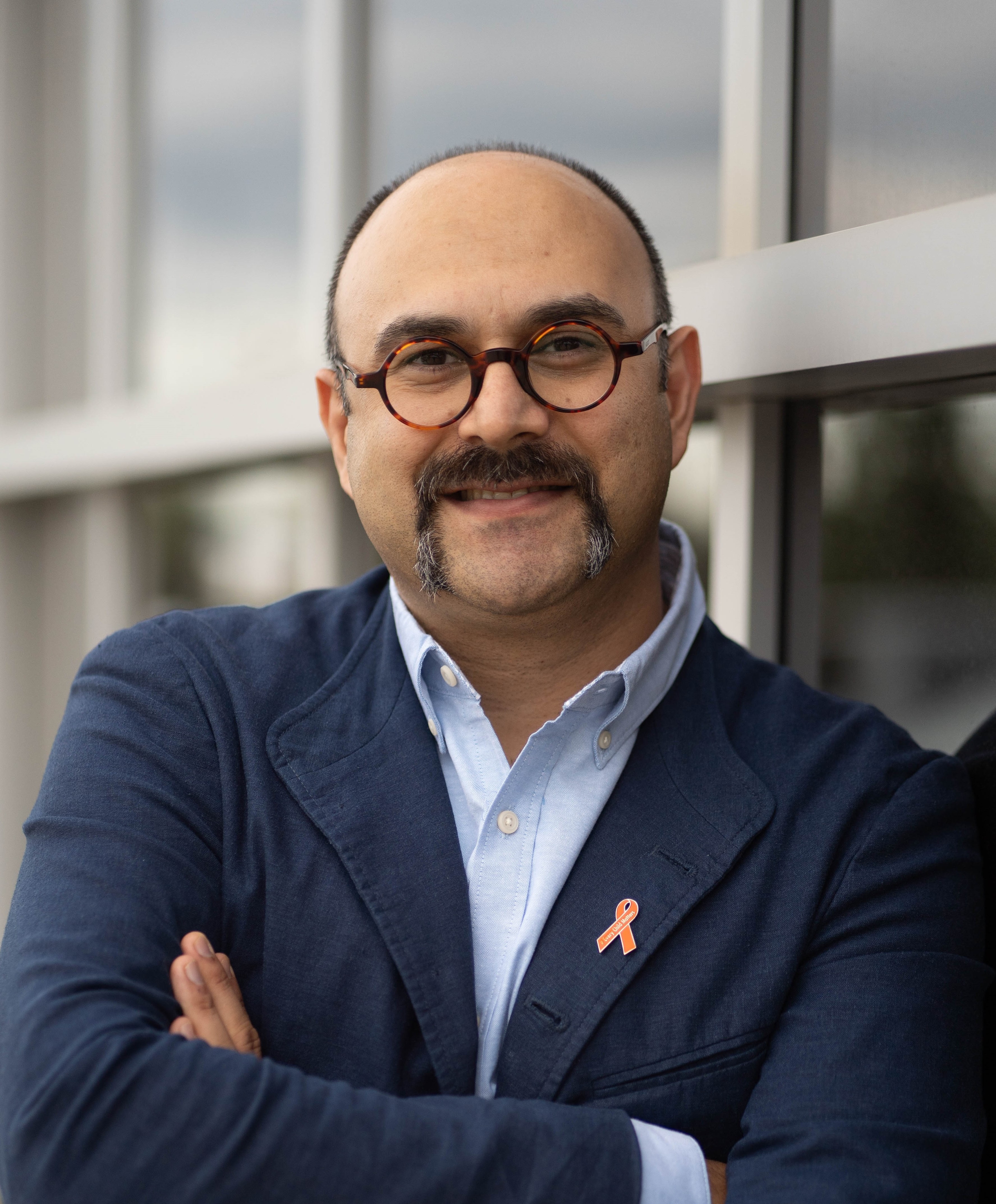
Hamed is a historian and linguist at the University of Calgary, specializing in Eurasian Indigenousand Canadian Ethnography. His research focuses on linguistic and cultural identity formation, pluralism, and decolonial approaches, with particular attention to immigration and multiculturalism in Canada. He currently serves as a Research Associate at the TIES Centre for Immigrant Research (TCIR), where he contributes to IRCC’s Service Delivery Improvement (SDI) initiatives and policy development.
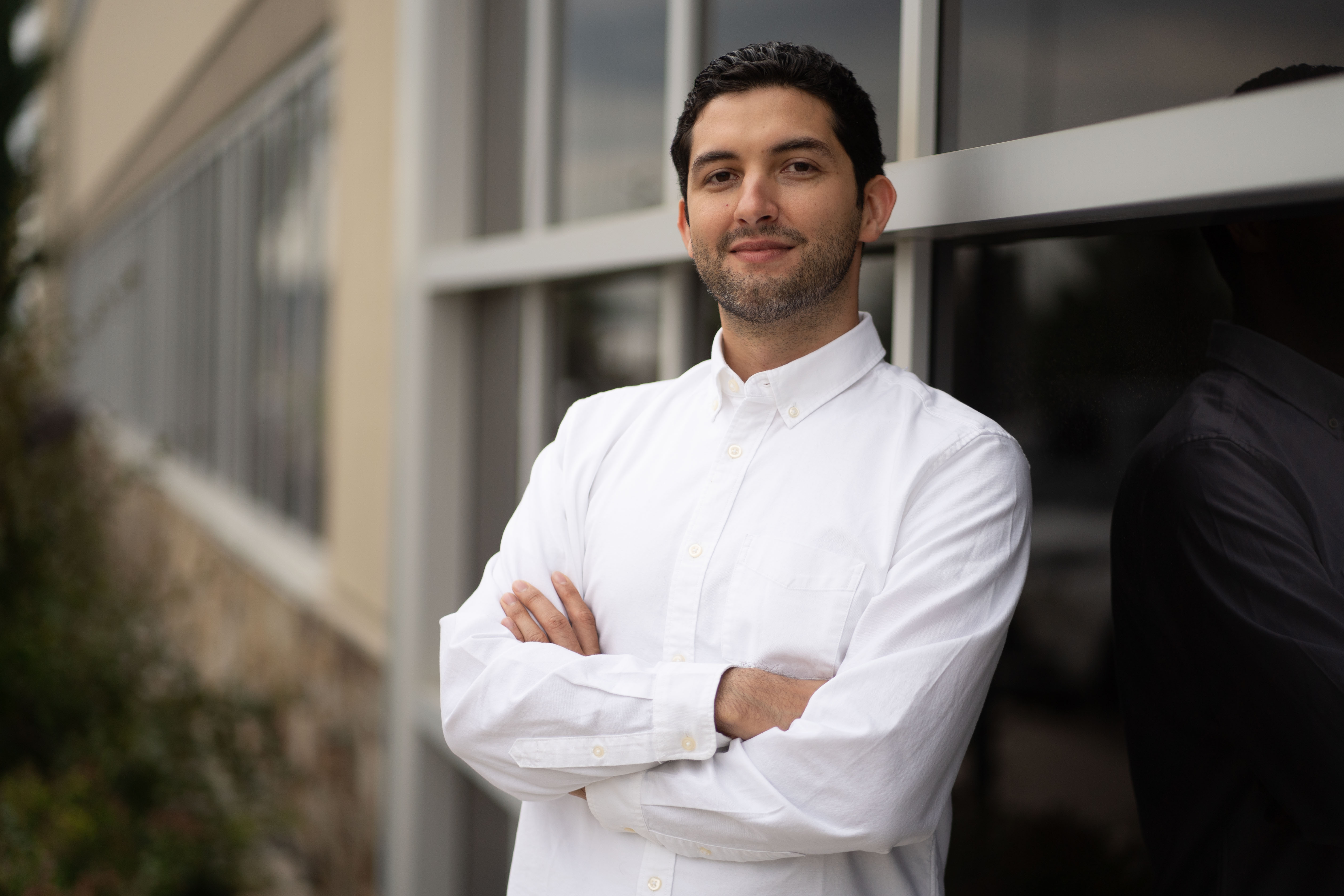
Nova Zeraati is a Canada-based multidisciplinary professional and community builder with more than a decade of experience leading projects ranging from civil engineering to software. Equipped with a master’s degree and certifications in project management, product management, and B2B sales, Nova works at the crossroads of technology, research, and social impact. Nova thrives on bringing people and ideas together to turn challenges into practical solutions.

Gurleen, MRes, MSc, is an experienced qualitative researcher with expertise in community-based research involving vulnerable populations. She leads Voices in the Art, which uses an arts-based methodology to explore newcomer 2SLGBTQIA+ youths’ intersecting identities and experiences with gender-based violence.
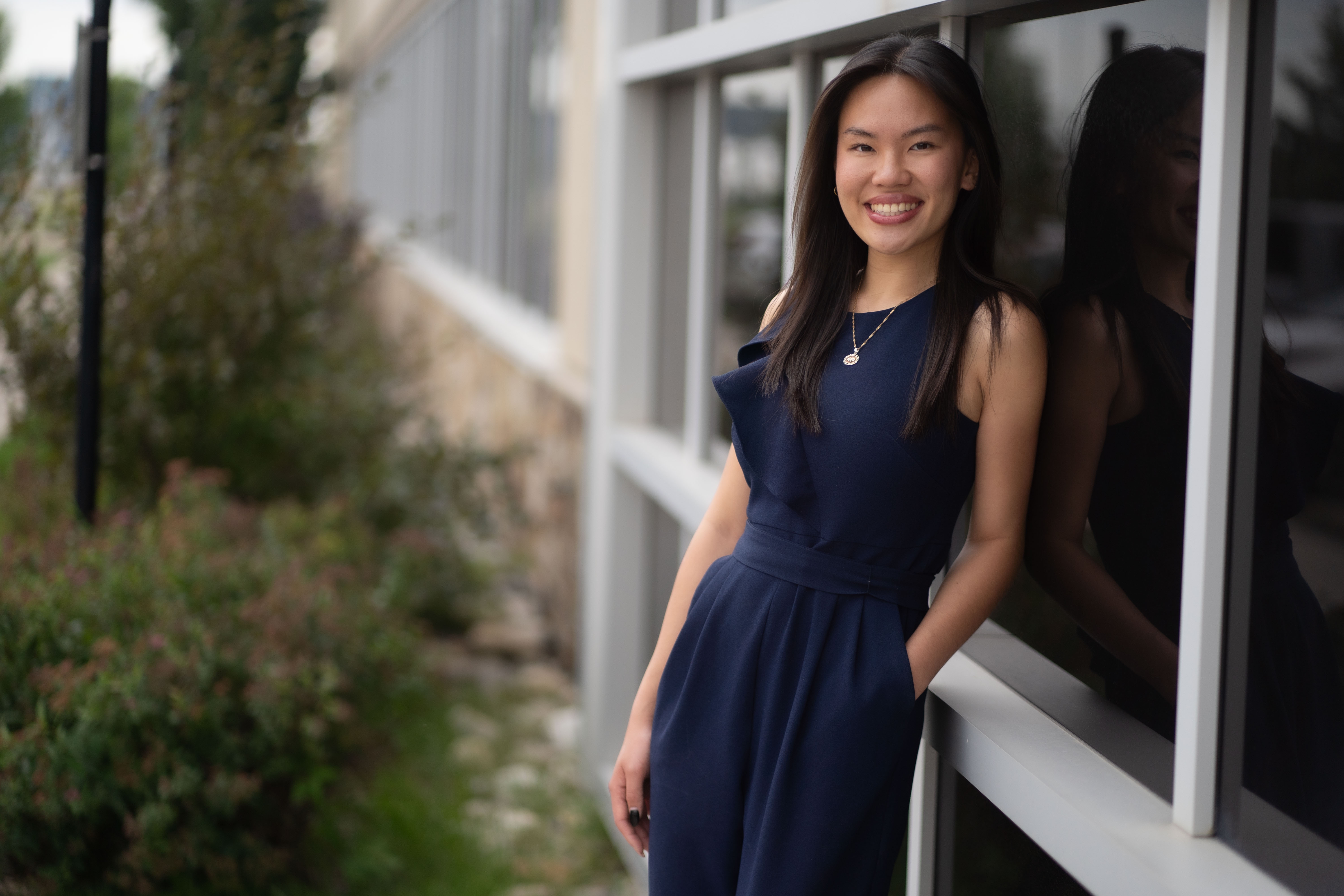
Amanda is completing her BA in Global Development Studies at the University of Calgary, with a focus on health, pluralism, and global citizenship. She is committed to building inclusive and equitable communities and driving change through research and collective action.
.png)
Annisha is a research assistant with TCIR. Previously a LINC instructor, she taught English to immigrants and refugees across various levels. She holds an MA in English with a research focus concerning intersectional feminisms and disenfranchised groups.

Emilie recently graduated from the University of Calgary with a BA in Psychology (Honours). She is working on the Voices in the Art project, and coordinates the Beyond Translation program, which aims to mitigate negative impacts of Child Language Brokering.
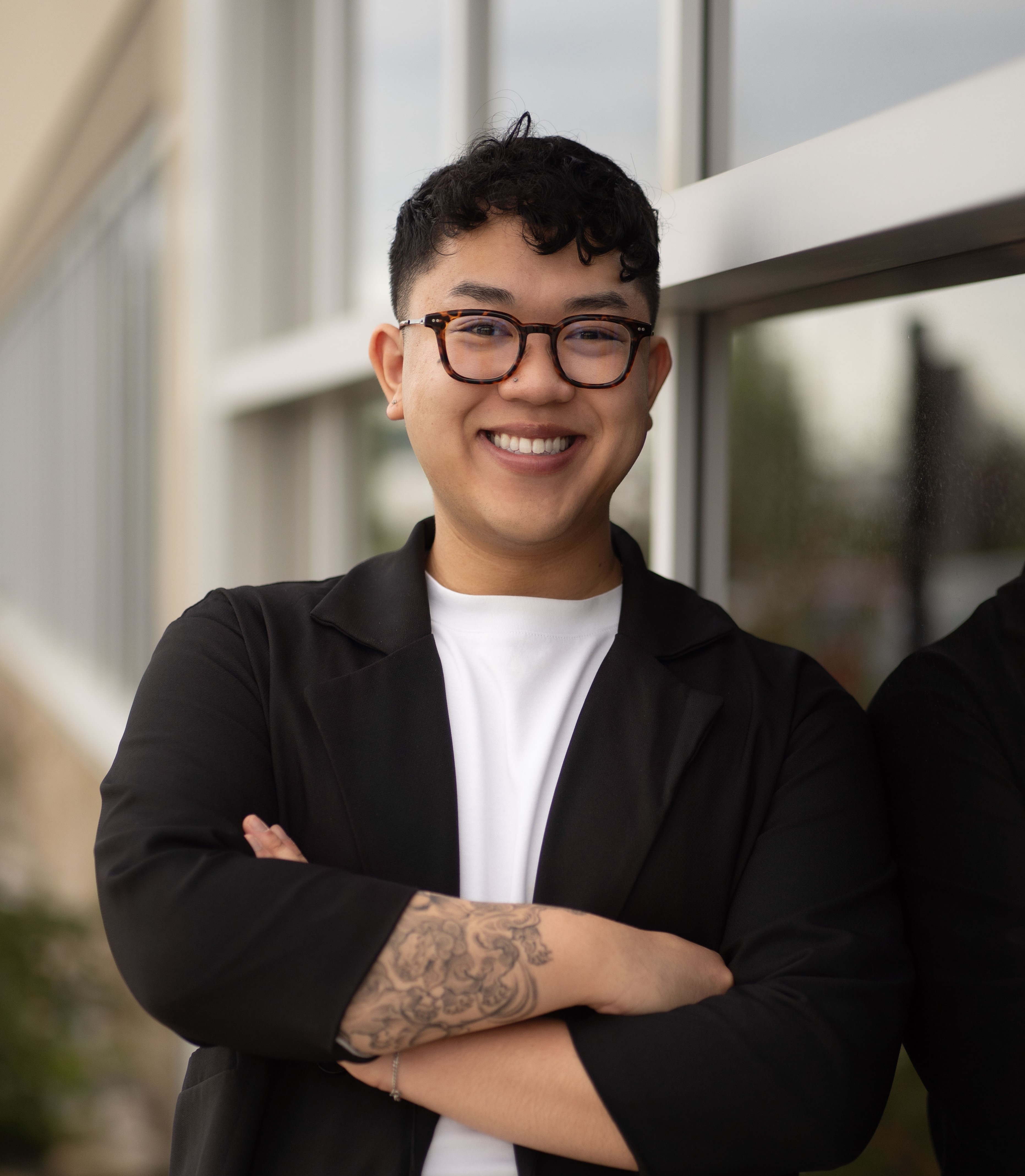
Thomas Tri is a Ph.D. student at York University, School of Social Work in Toronto, Ontario. His research interests focus on the arts & culture sector, migration, and sexuality. He currently supports the Voices in the Art, an arts-based intervention-through-research project with 2SLGBTQIA+ newcomer youth in Calgary.
.jpg)
Emily (she/her) is a dedicated project associate based in Calgary. With her background in psychology and sociology, Emily is passionate about fostering mental well-being among youth and social justice. Currently, she supports the Voices in the Art project.
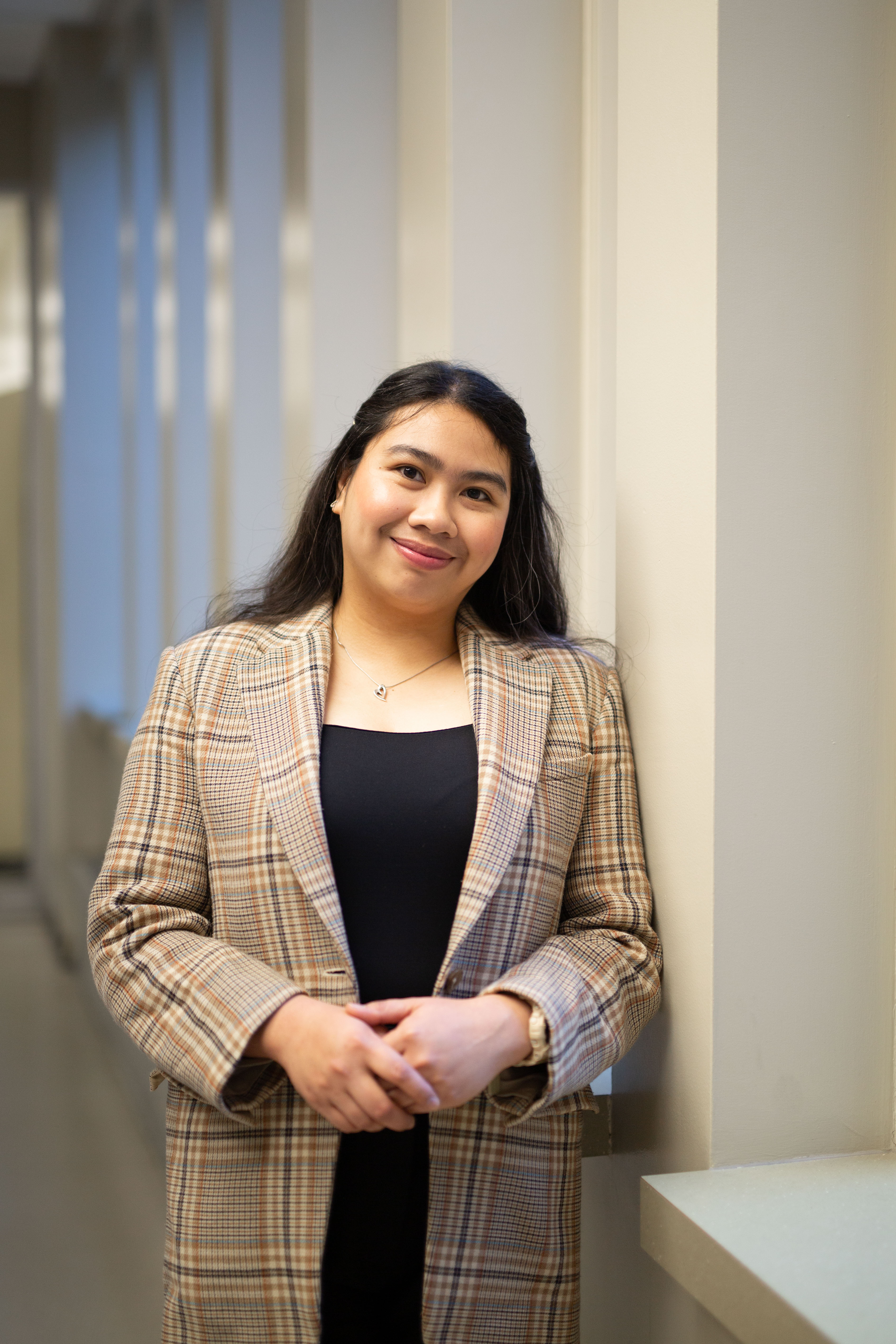
Janna Balequia is the Rise Program Coordinator, supporting newcomer communities through inclusive programming and mentorship. She collaborates with teams and leadership to foster safe, empowering spaces where individuals can grow, connect and build meaningful futures
.jpg)
Jenalyn (she/her) is a Psychology PhD student at the University of Toronto who researches the biopsychosocial experiences of marginalized communities through an intersectional lens. At TIES, she currently works on the LENS study, which examines the impact of work integration social enterprises on newcomer and BIPOC individuals in Alberta.
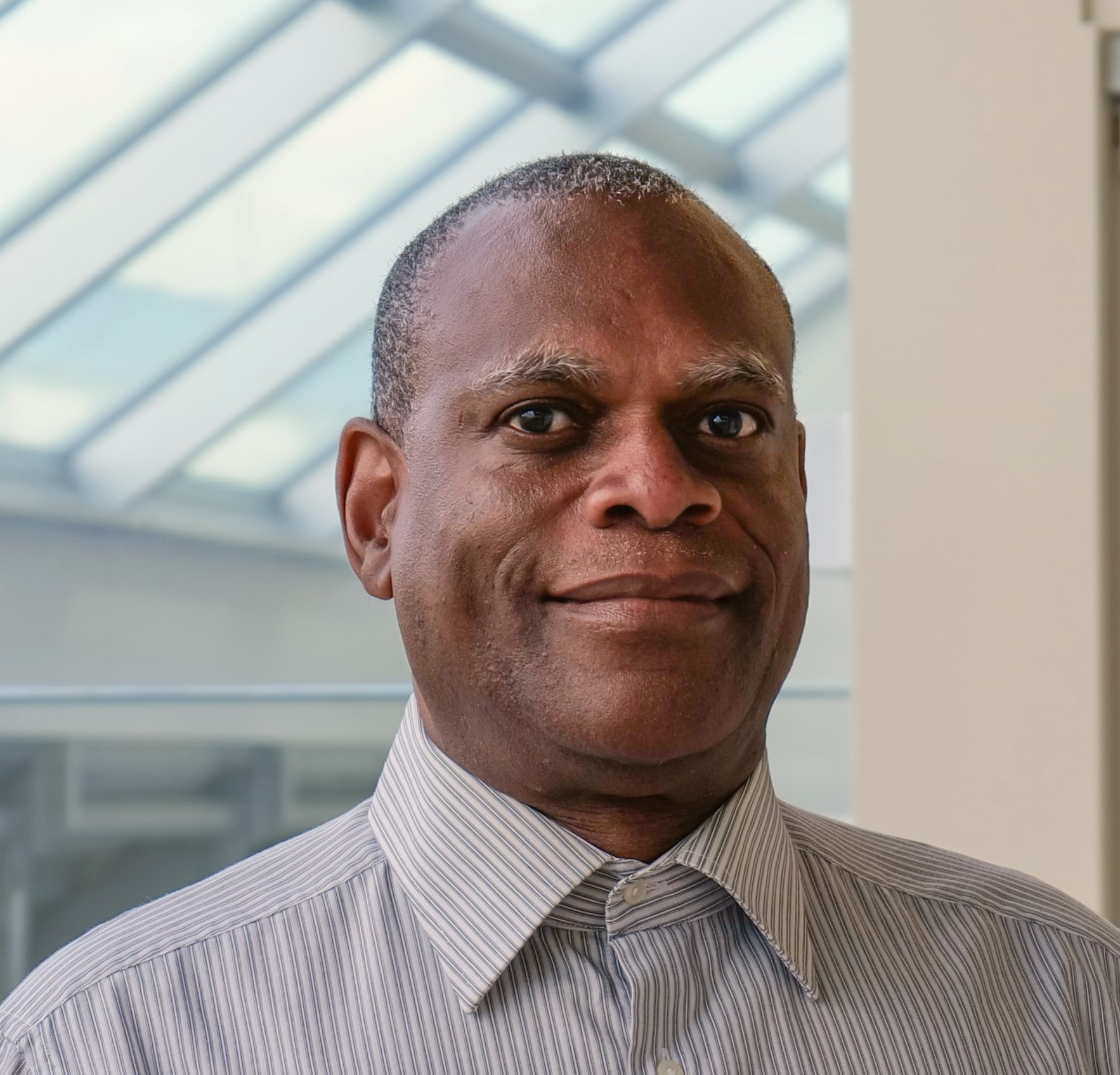
Dr. Garfield Giff is Climate Change Research Chair at Aurora College and a Geospatial Information Management consultant. Garfield has extensive experience in: developing climate change (CC) adaptation and mitigation strategies; CC mapping and monitoring; developing CC indicators and models; geospatial business analysis; program and project management; policy development; stakeholders’ engagement; engagement with Indigenous peoples; strategic analysis; systems integration; and geoscience education.

Dr. Odessa Gonzalez Benson is an Associate Professor at the University of Michigan School of Social Work. Her research focuses on the intersection of immigration, service provision, and social justice, striving to understand and address disparities in access and quality of services for marginalized populations.

Dr. Kassan’s scholarly interests are informed by her own bi-cultural identity, and include presently includes two major foci. First, she is studying immigration experiences across different groups (i.e., newcomer youth, women, 2SLGBTQIA+ peoples). Second, she is researching teaching and learning, investigating cultural and social justice responsiveness in professional psychology.


